

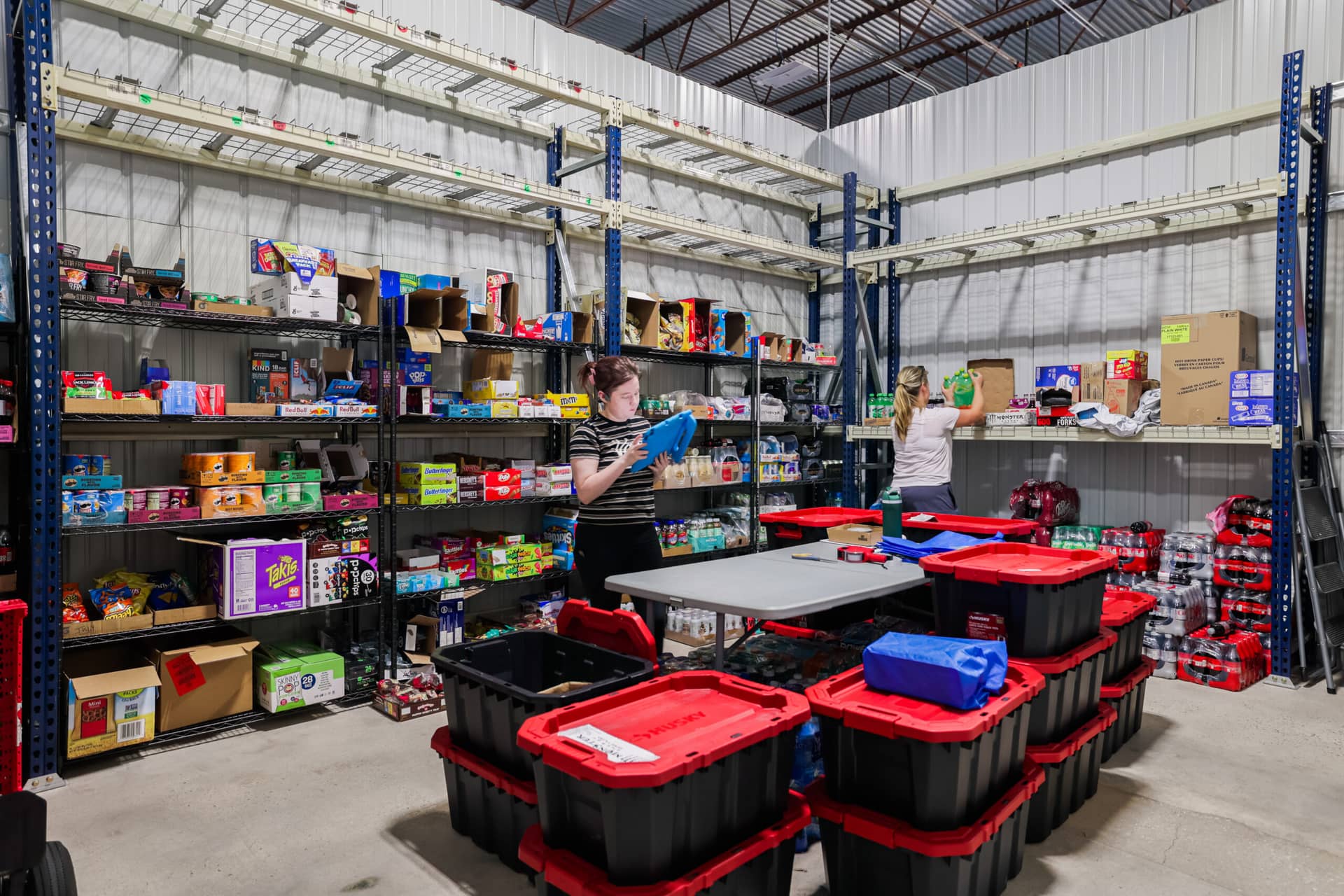
Houston summers hit 90°F+ for 99 days per year on average. Average humidity runs 75% year-round. If you’re storing inventory that doesn’t love extreme temperatures and moisture, you’ve probably already learned this the hard way — or you’re about to.
Eduardo Ramos learned it with his marble restoration business. His specialized chemicals and compounds degraded faster in non-climate-controlled storage units, losing months of shelf life over a single summer. The products still worked, but expiration dates moved up, and profit margins moved down.
Most people don’t think about climate control until something goes wrong: chemicals degrade, electronics malfunction, wood warps, packaging fails, and adhesives won’t stick. Then you’re dealing with customer returns, refunds, and replacement costs that dwarf what climate control would have cost.
Do You Actually Need Climate-Controlled Warehouse Space in Houston?
If you’re storing any of these products in Houston, climate control isn’t optional:
Chemicals, adhesives, sealants — Heat accelerates degradation. Eduardo’s marble restoration chemicals have specific storage requirements that a non-climate-controlled space can’t meet. Products that should last 18 months might only last 12 in a Houston summer warehouse.
Electronics, batteries, tech products — Extreme heat shortens battery life, warps circuit boards, damages screens. Houston’s humidity causes condensation when temperatures shift, which corrodes components.
Wood products and furniture — Giovanni Romero stores high-end furniture for interior design clients at WareSpace Houston. Climate control protects pieces that his clients paid thousands for. Wood expands and contracts with humidity swings, causing joints to separate and finishes to crack.
Supplements, vitamins, pharmaceuticals — Temperature fluctuations affect potency, cause clumping, and accelerate expiration dates. The FDA has specific storage requirements for dietary supplements that basically require climate control.
Cosmetics, skincare, personal care — Heat causes separation in creams and lotions, melts lip products, and accelerates ingredient breakdown. Cold makes products crystallize or change texture.
Paper products, packaging, labels — Humidity causes warping, mold, and adhesive failure. Your product might be fine, but the packaging arrives at customers looking like it went through a hurricane.
Metal tools and equipment — 75% humidity accelerates rust and corrosion. Contractors storing expensive tools in non-climate-controlled spaces find corrosion on precision equipment within months.
Even if your product survives temperature swings, your packaging might not. Cardboard warps. Plastic becomes brittle in cold, soft in heat. Labels peel off. Tape fails.
What Climate Control Costs in Houston Warehouses
Climate-controlled warehouse space maintains temperatures between 55-80°F year-round with humidity typically held at 30-50% relative humidity. WareSpace Houston keeps units at 65-75°F consistently.
Houston’s humidity swings matter almost as much as temperature. Summer humidity can hit 90%+ during rain events, then drop to 40% when the AC kicks in. Winter humidity drops lower. These swings stress materials and products even when average conditions seem acceptable.
Regular warehouse space in Houston:
- Temperatures follow outside conditions (maybe 10-15°F moderation from insulation)
- Summer peaks: 95-110°F+ inside
- Winter lows: 40-50°F inside
- Humidity swings: 40-90% depending on the weather
- Cost: $0.65-$0.85/SF monthly
Climate-controlled warehouse space:
- Consistent 65-75°F year-round
- Humidity maintained at 30-50%
- HVAC runs continuously, not just during business hours
- Cost: $0.90-$1.25/SF monthly in traditional leases
The $0.25- $0.40/SF premium may seem significant until you factor in what you’re protecting. For a 500 sq ft space, that’s $125-200/month extra. Compare that to the cost of damaged inventory: if you’re storing $50,000 worth of product and 10% becomes unsellable due to heat damage, you just lost $5,000. That pays for climate control for 2-3 years.
Where to Find Climate-Controlled Small Warehouse Space in Houston
Traditional industrial warehouses typically don’t offer climate control in small units. Most climate-controlled options under 2,000 sq ft come from co-warehousing or flex space providers.
Northwest Houston (Beltway 8/I-10 Corridor)
Newer flex space developments along the Beltway 8 corridor include climate control as standard. You’re close to carrier hubs (FedEx, UPS, Amazon facilities) with good highway access.
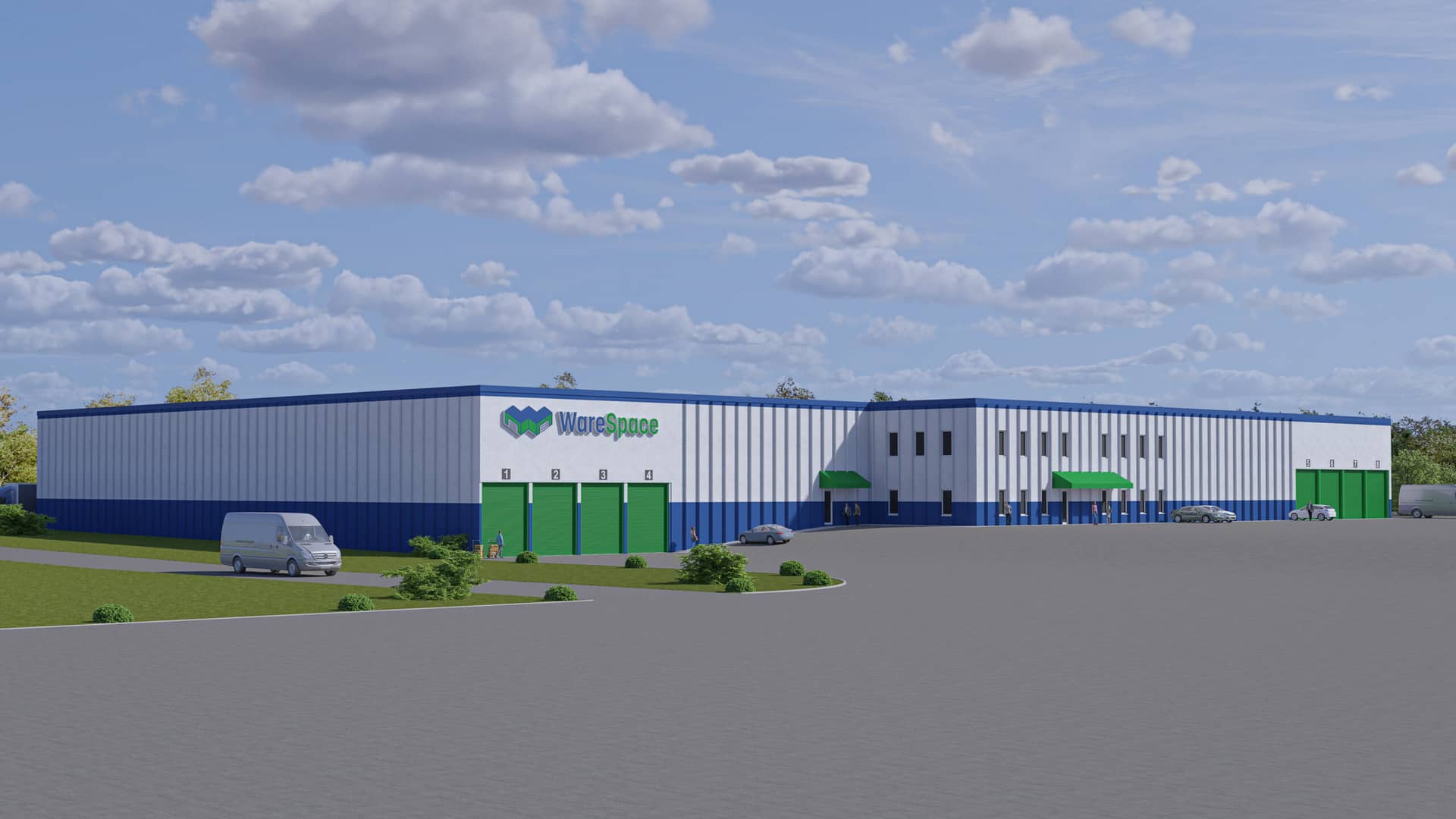
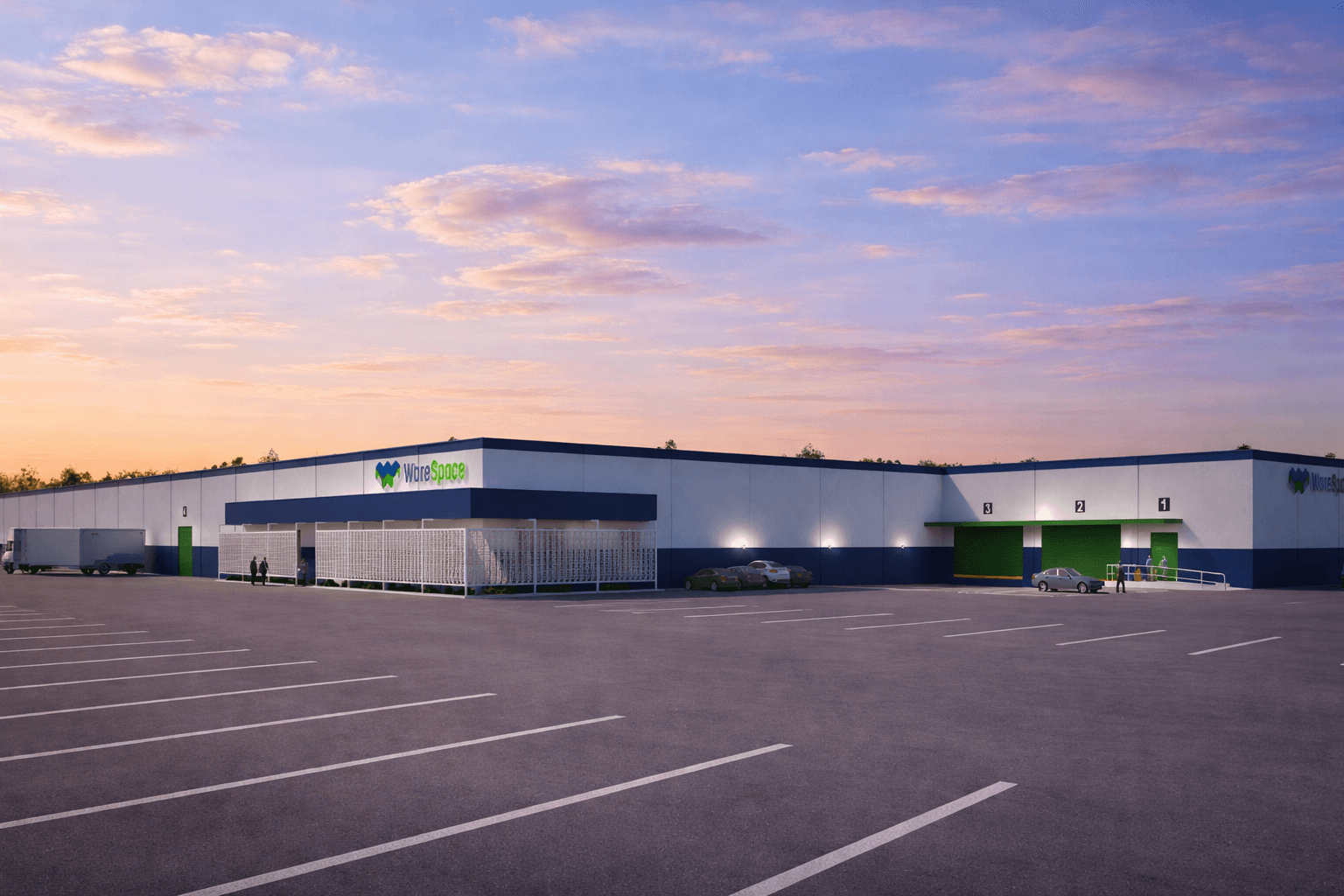
WareSpace Houston at 10795 Hammerly Boulevard offers climate-controlled units from 200-2,000 sq ft with temperature maintained at 65-75°F year-round.
Southwest Houston
More climate-controlled options due to mixed-use development serving businesses with temperature-sensitive inventory. Rates run higher at approximately $1.00/SF monthly for flex space.
North Houston / Airport Area
Newer industrial development includes updated buildings with climate control options. Proximity to IAH airport helps if you’re shipping temperature-sensitive products via air freight.
Southeast Houston / Port Area
Fewer climate-controlled options in small-bay sizes. Building stock runs older. If you need climate control and port proximity, expect to search longer or pay a premium for the combination.
Real Cost Breakdown: Climate-Controlled Warehouse Space in Houston
Traditional climate-controlled lease (500 SF):
- Base rent: $1.10/sq ft monthly × 500 = $550/month
- NNN/CAM charges: $125-175/month
- Utilities (HVAC runs hard in Houston): $150-250/month
- Equipment (racking, shelving): $2,000-4,000 upfront
- Security deposit: 1-2 months rent
- Monthly total: $825-975 (plus upfront equipment costs)
Climate-controlled co-warehousing at WareSpace Houston (Small unit, 200-400 SF):
- All-inclusive rate: $650/month
- Security deposit: 1 month
- Equipment: included
- Monthly total: $650 (no upfront costs beyond deposit)
For a 400 SF climate-controlled unit, co-warehousing runs roughly the same monthly cost as traditional once you add NNN, utilities, and amortize equipment costs. The difference: co-warehousing requires $650 to move in vs. $4,000-6,000 for traditional (deposit + equipment + first month).
Houston Climate-Controlled Warehouse FAQs
What temperature should my Houston warehouse maintain?
Most climate-controlled warehouses maintain 55-80°F. WareSpace Houston keeps units at 65-75°F consistently. Check your product requirements—supplements typically need 68-77°F per USP guidelines, electronics prefer 60-75°F, and food products vary widely.
Does a climate-controlled warehouse mean humidity-controlled, too?
Usually yes. Most climate-controlled facilities in Houston maintain 30-50% relative humidity. This matters almost as much as temperature for preventing product degradation, rust, and mold.
How much more expensive is climate-controlled warehouse space in Houston?
Traditional leases: expect $0.25-$0.40/SF more monthly compared to regular warehouse space, plus significantly higher utility costs (HVAC in Houston is expensive). For a 500 sq ft space, budget $150-300/month extra all-in. All-inclusive co-warehousing bundles climate control into the rate.
Can I store food products in a climate-controlled Houston warehouse?
Depends on the specific products and local health regulations. Packaged, non-perishable food products generally, yes. Anything requiring refrigeration or specific food-grade certification needs specialized cold storage, not standard climate-controlled warehouse space.
Is climate control worth it for tools and equipment?
For contractors storing metal tools in Houston, yes. 75% average humidity accelerates corrosion. Precision equipment, electronics, and battery-powered tools benefit from consistent conditions. Basic hand tools can handle temperature swings, though rust becomes an issue over time.
WareSpace Houston offers climate-controlled warehouse space from 200-2,000 sq ft at 10795 Hammerly Boulevard. Consistent 65-75°F temperature, humidity regulation, all-inclusive pricing starting at $650/month, and flexible 6-month leases. Book a tour to see available units.
 ►
Explore 3D Space
►
Explore 3D Space