
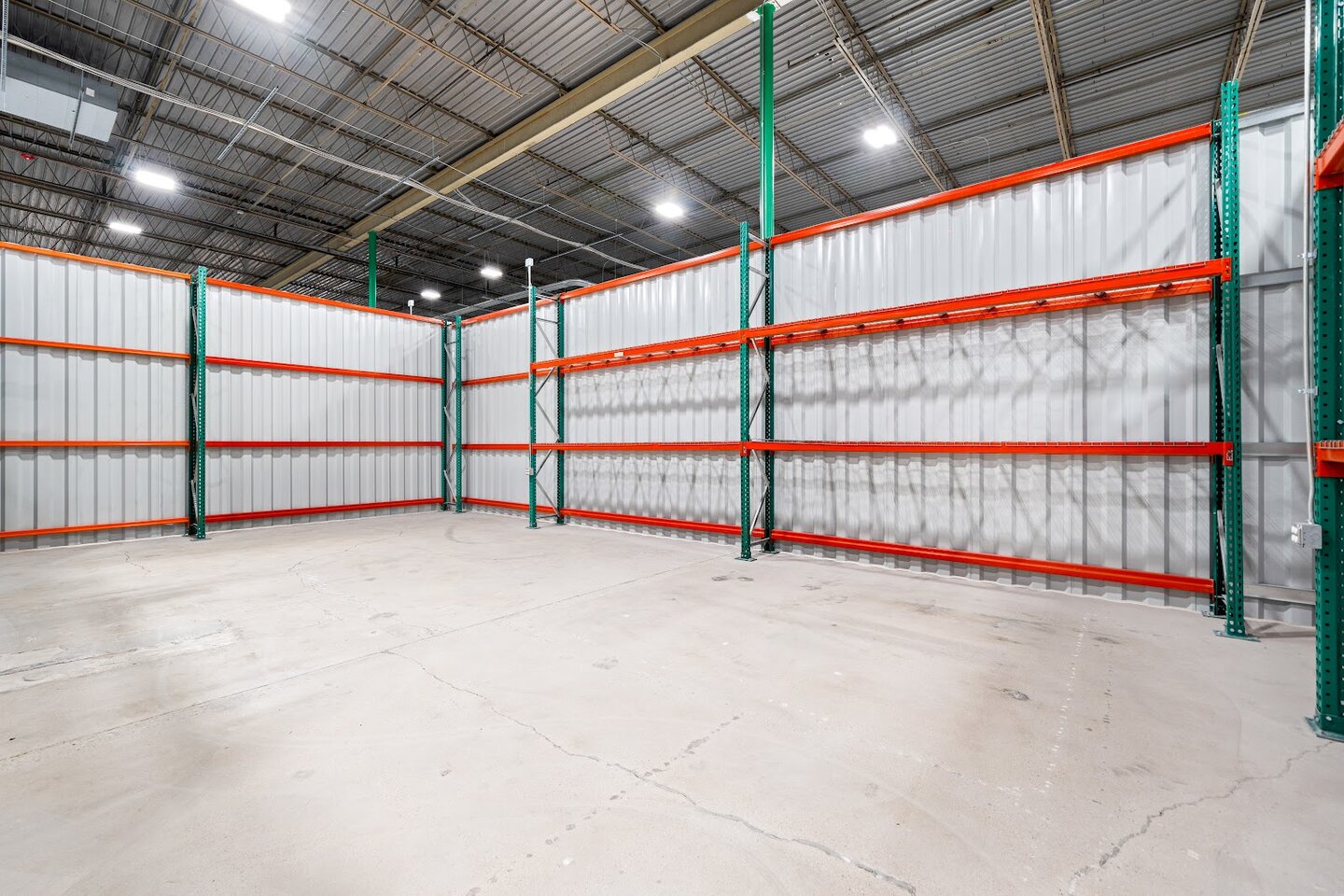
Warehouses come in different forms, including dedicated and shared options, so large and small companies can match storage to the size of their inventory. Many small businesses choose shared warehouse space to avoid the overhead of a dedicated facility. Is a small warehouse space for rent the right solution for your business? Let’s weigh the pros and cons.
What Is Shared Warehousing?
Shared warehousing gives small businesses a way to store inventory with minimal overhead. These facilities offer varying sizes of space, with prices that often align to how much space you use. Tenants spread the operating costs of the warehouse among themselves, which means everyone gets a full-featured warehouse without the costs and management headaches of a dedicated one.
Pros and Cons of Renting a Shared Warehouse Space
Renting a shared small warehouse space is an investment, so like any business decision, it starts with weighing the upsides against the trade-offs.
Pro: pricing
Cost is always crucial for small businesses. Shared small warehouse spaces cost less to rent than buying or leasing a dedicated warehouse, and rates relate to the amount of space used. A business that rents a small space pays the least while still using all the amenities in the facility.
Pro: facility amenities
Shared warehouses include amenities you would expect from shared offices and larger warehouses, but because Tenants share the operating costs, the price stays affordable. Look for loading docks, racking, warehouse equipment, conference spaces, on-site security, limited-access storage, and package receiving.
Pro: flexible space use
Small businesses need flexibility as they grow or move through seasonal ups and downs. With rental terms as short as six months, a business can upgrade to a larger space for a busy season and return to a smaller one when inventory drops, paying only for what it needs.
Con: less control over the facility
You go through the site manager for facility decisions rather than running operations yourself. For most small businesses this is actually a benefit, because it frees owners to focus on running their business instead of operating a warehouse.
Con: space competition
Shared facilities have a finite amount of space and serve a limited number of businesses. Once a facility reaches capacity, you may need to look elsewhere. That said, scarcity is not unique to shared space. Even large dedicated warehouses face supply pressure: US industrial vacancy sat around 3.8% in late 2022, with even tighter rates in markets like Nashville at 1.2%.
Shared vs. Dedicated Warehouse
Shared and dedicated facilities serve different needs. A dedicated warehouse serves one business, while a shared facility costs less, asks for less commitment, and houses multiple businesses under one roof.
| Factor | Dedicated warehouse | Shared warehouse space |
|---|---|---|
| Cost | Higher; pay for the whole space whether used or not | Lower; rates tied to the space you use |
| Utilities and management | Paid separately by you | Bundled into one monthly rate |
| Control | Full control of operations | Site manager handles operations |
| Commitment | Long leases, often multiple years | Flexible terms as short as a few months |
| Best for | Businesses that can fill a large space long term | Small and growing businesses that need flexibility |
For most small businesses that need flexible terms and short commitments, shared warehouse space is the better fit. For a deeper look, start with what shared warehouse space is and how to use it, then our comprehensive provider checklist and how co-warehousing works for entrepreneurs.
The short version: shared space trades a degree of control for lower cost, bundled amenities, and flexibility. For a small or growing business, that is usually a trade worth making.
Shared space, private unit
Get a small warehouse with everything included
WareSpace gives you a private unit inside a shared facility, with loading docks, HVAC, racking, on-site support, and package receiving, all-inclusive starting at $1,000/mo on short-term leases.
FAQ
Is shared warehouse space cheaper than a dedicated warehouse?
Yes. Because Tenants split operating costs and pay for the space they use, shared warehouse space costs far less than buying or leasing a dedicated facility, and utilities and management are bundled in.
What amenities should a shared warehouse include?
Look for loading docks, industrial racking, warehouse equipment, on-site security, package receiving, and shared conference space, ideally with HVAC.
How long do I have to commit?
Shared warehouse spaces offer flexible terms, often as short as six months, so you can scale up or down as your business changes.
Find Shared Warehouse Space at WareSpace
If your business needs the benefits of a shared small warehouse, make sure the space has the features you need. Explore WareSpace locations and amenities, book a tour, or get an instant quote to see what a private unit would cost.


