
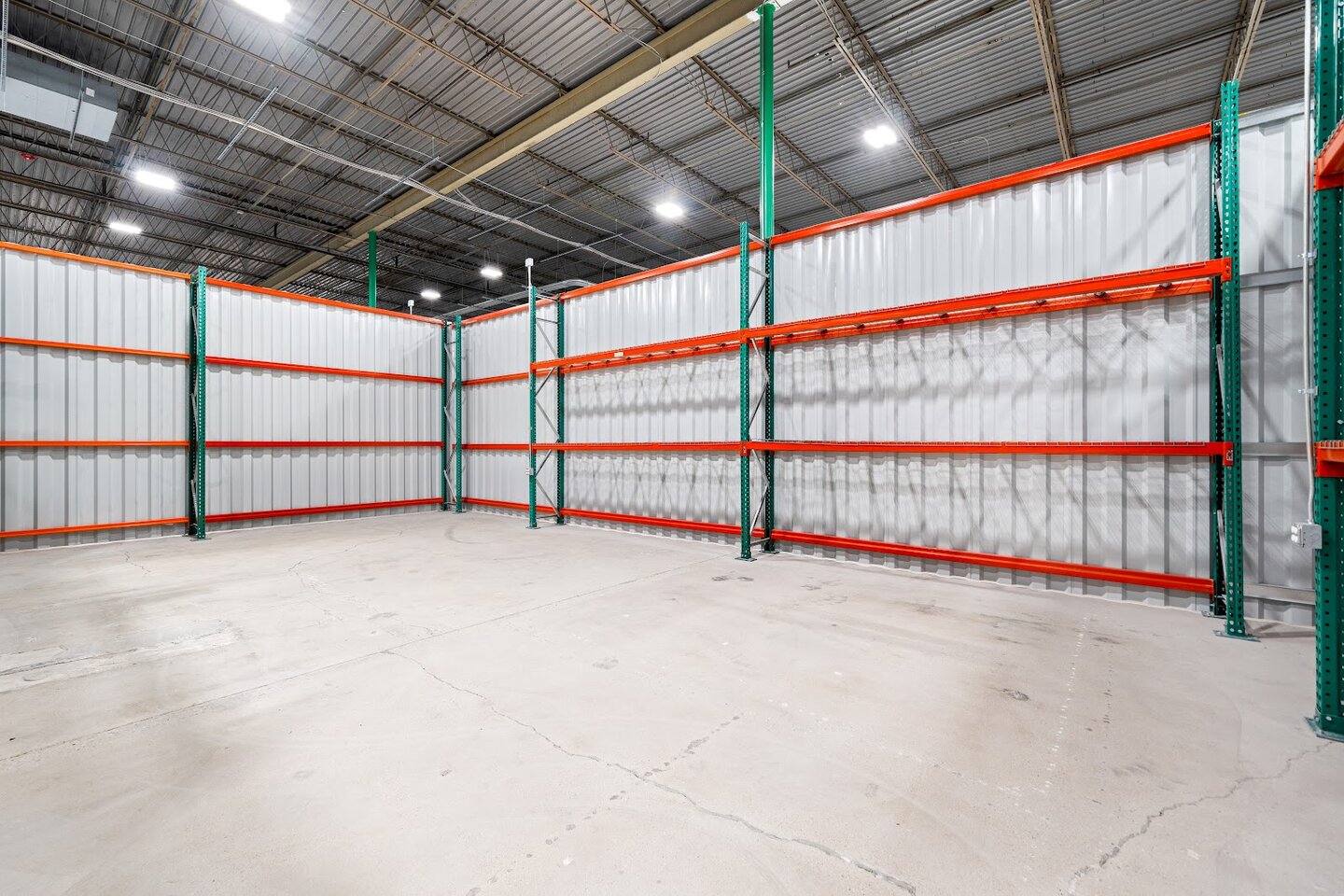
Warehouse rentals give small and medium-sized businesses (SMBs) a flexible way to acquire storage and operational space without the heavy costs of property ownership. These spaces can be rented for a set period to store goods, manage inventory, or run day-to-day operations, with the flexibility to expand or contract as business needs change.
For many SMBs, renting an entire warehouse is financially burdensome and practically unnecessary. That is where shared warehouse spaces become invaluable: they provide access to the facilities you need without the commitment and expense of a full building. This guide covers how to choose, evaluate, and secure a flexible warehouse rental, plus the pitfalls to avoid.
Why Choose Shared Warehouse Spaces?
Shared warehouse spaces let SMBs access necessary facilities without the commitment and expense of a full warehouse. The model is cost-effective and adaptable to changing demand, so you pay for the space you use instead of carrying empty square footage during slow periods.
Essential Factors in Selecting Warehouse Space
Choosing the right space is a decision that can significantly affect your operations. Three factors matter most.
Calculating Required Size
Understanding how much space you actually need is pivotal. Renting a whole warehouse is often out of reach for smaller businesses because of the cost and the likelihood of unused space. Shared spaces offer a practical, economical alternative, letting you pay only for what you need. Start by evaluating your immediate requirements, including inventory size and the scope of your operations, and plan the layout to maximize productivity. If you need help, see our guide to choosing the perfect warehouse size.
Importance of Strategic Location
Location is paramount. For SMBs, a strategic location is not only about being accessible to employees and customers; it is about integrating efficiently into your supply chain without exorbitant costs. Proximity to suppliers and transportation hubs simplifies logistics and trims transportation expenses. Browse WareSpace locations to find a metro near your customers.
Cost Analysis
Shared spaces use different cost structures than traditional rentals, so read the terms carefully. Watch for hidden costs like maintenance and utilities, and make sure the final price aligns with your budget. All-inclusive pricing, where one rate covers rent, utilities, climate control, and amenities, removes most of that guesswork.
Step-by-Step Guide to Securing a Warehouse Rental
A methodical approach turns a daunting search into a manageable one.
1. Outline Your Specific Business Requirements
Define your needs with precision before you start looking:
- Storage needs: the volume of goods, their nature (perishable, fragile, oversized), and any special conditions like refrigeration or humidity control.
- Operational requirements: the type of work you will do on-site, your headcount, and whether you need office, meeting, or reception space.
- Technology prerequisites: secure internet, security systems, and any smart logistics tools.
- Facility features: specific configurations such as dock access or drive-in doors.
A well-defined list lets you communicate clearly with leasing agents and secure a space that serves you optimally.
2. Efficiently Search and Evaluate Options
- Use online platforms with filtering by location, size, and features.
- Build an evaluation checklist based on your requirements, including size, proximity, technology, and security.
- Run a comparative analysis that weighs not just cost but the value each space provides against your objectives.
- Read reviews and testimonials, paying attention to how responsive and professional the property management is.
Pitfalls to Avoid in Warehouse Rentals for SMBs
| Pitfall | Why it hurts | How to avoid it |
|---|---|---|
| Underestimating space needs | Overcrowding, disorganization, and inefficiency | Estimate present and future needs so you can expand smoothly |
| Ignoring legal and contractual terms | Disputes and surprise costs | Review the lease meticulously before signing |
| Not planning for future expansion | Expensive, disruptive relocation later | Choose a space that can accommodate growth |
| Overlooking technology and security | Operational and data risk | Confirm the security and tech infrastructure can support your work |
By recognizing and avoiding these mistakes, SMBs can secure spaces that meet immediate needs and support long-term growth.
The shortcut: all-inclusive shared warehouse space removes most of these pitfalls at once. One transparent monthly rate, a short-term lease, and a space sized to your business mean fewer hidden costs and far less risk.
WareSpace: A Partner for SMBs Navigating Warehouse Rentals
WareSpace is designed to guide SMBs through the intricacies of warehouse rentals with solutions built for small and medium-sized businesses:
- Tailored solutions: flexible rental options that adapt to your storage and operational needs.
- Comprehensive support: help from the rental journey through day-to-day operations.
- Future growth in mind: units and locations that grow with your business.
Flexible space, no hidden fees
Rent a flexible small warehouse starting at $1,000/mo
All-inclusive units from 200 to 2,000+ Sq Ft with loading docks, HVAC, racking, WiFi, and 24/7 access on short-term leases. Scale up or down as your business evolves.
FAQ
What is a flexible warehouse rental?
It is warehouse space you rent on short, adaptable terms, often in a shared facility, so you can add or release space as demand changes instead of locking into a long-term lease. Learn more in our guide to what a flex warehouse is.
How is shared warehouse space cheaper than a traditional lease?
You pay for the space you actually use, and all-inclusive pricing folds utilities, maintenance, and amenities into one rate, removing the hidden costs that inflate a traditional warehouse lease.
What size space do most SMBs need?
Most fit in 200 to 2,000+ Sq Ft. A short in-person tour is the fastest way to confirm before you commit.
Start Your Warehouse Journey Today
With the right planning, expert guidance, and the support of WareSpace, securing an ideal warehouse for your SMB is achievable. Book a tour or explore co-warehousing options to begin.


