
A delivery exception is one of the most stressful tracking updates a small business can see, because it usually means a customer’s package is delayed. The good news: most exceptions are predictable, manageable, and preventable. Here is what a delivery exception is, the five most common types, how the major carriers handle them, and how to resolve and reduce them.
What Is a Delivery Exception?
A delivery exception occurs when an unexpected issue prevents a package from being delivered on its expected date. Causes range from an incorrect address to severe weather. Spotting one early matters, because prompt action minimizes the delay and protects customer satisfaction. When you get an exception notice, review the details, contact the carrier, and inform the customer.
The 5 Most Common Types
| # | Type | Top prevention move |
|---|---|---|
| 1 | Incorrect or incomplete address | Address verification at checkout |
| 2 | Weather-related delay | Track weather and build in buffer time |
| 3 | Customs or import hiccup | Accurate documentation, clear duty communication |
| 4 | Failed delivery attempt | Scheduling, lockers, and pickup options |
| 5 | Damaged goods in transit | Quality packaging and a clear claims process |
1. Incorrect or Incomplete Address
The most frequent cause. Combat it with real-time address verification software, an order-review page so customers can double-check details, and confirmation emails that prompt a second look.
2. Weather-Related Delays
Hurricanes, storms, and floods disrupt air and ground transport, sometimes nationwide. Use weather-tracking tools, plan alternative routes ahead of known events, communicate proactively, and build extra time into estimates during peak weather seasons.
3. Customs and Import Hiccups
International shipments stall on missing documentation or unexpected duties. Communicate potential duties and taxes up front, ensure accurate and complete customs paperwork, and consider a customs broker for smoother clearance.
4. Failed Delivery Attempts
Often caused by recipients not being home or secure locations where packages cannot be left. Offer tracking and delivery scheduling, provide lockers or local pickup points, and clearly communicate what happens after a failed attempt.
5. Damaged Goods in Transit
Damage erodes trust fast. Establish a clear process for reporting and returning damaged items, use quality packaging and train staff on best practices, and insure high-value items.
How Each Carrier Handles Exceptions
- FedEx notifies both sender and recipient through tracking, may correct address issues and deliver without extra charge, and holds packages while trying to reach the recipient.
- UPS focuses on transparency, updating tracking with the reason and next steps, and often attempts redelivery the next business day for missed deliveries.
- DHL specializes in international shipping and proactively flags customs, documentation, or duty issues, often helping facilitate clearance to minimize downtime.
- USPS handles a vast domestic network, notifies through tracking, reattempts delivery when possible, and holds packages for pickup at the local post office when needed.
The common thread: robust tracking, clear communication, and proactive problem-solving. Knowing each carrier’s process helps you set accurate customer expectations.
How to Handle a Delivery Exception
- Take immediate action. Review the exception details, contact the carrier, and evaluate your resolution options.
- Communicate with the customer. Notify them promptly, be transparent, and provide regular updates. Honest, timely communication can turn a delay into a trust-building moment.
- Work with the carrier. Establish a point of contact, understand their processes, and provide any required documentation quickly.
- Review and adjust. Analyze exception trends, update policies (for example, stricter address verification), invest in training and technology, and use flexible warehouse space to gain more control.
Prevent Exceptions With Smarter Inventory Placement
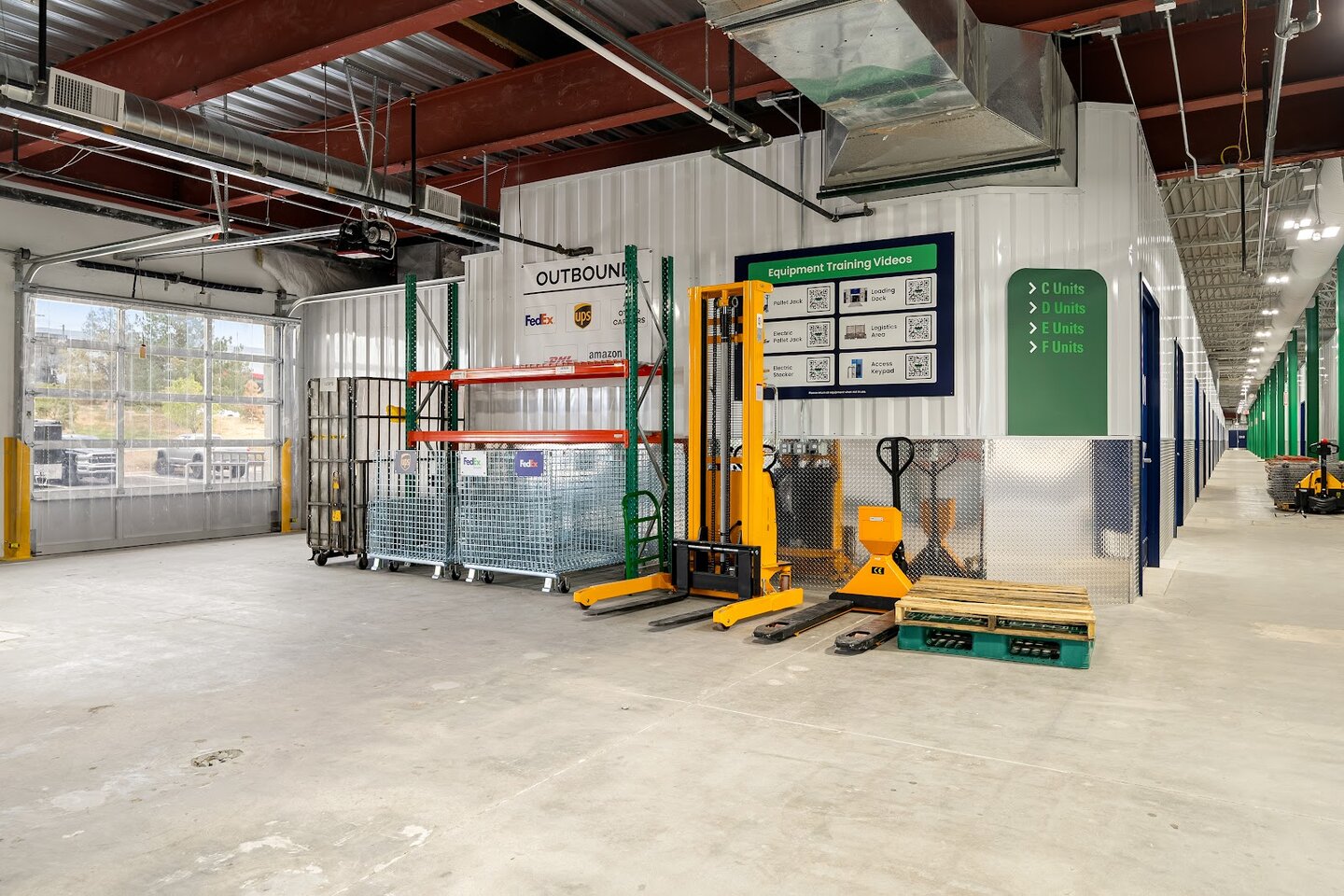
One of the most effective long-term fixes is structural: position inventory closer to customers. A small or shared warehouse near your customer base shortens transit, reduces the shipping zones each package crosses, and lowers the exposure to weather, customs, and handling that generate exceptions in the first place. It also scales with seasonal demand, so you are not over- or under-stocked.
Fewer miles, fewer exceptions
Ship closer and cut delivery problems at the source
A small WareSpace warehouse near your customers shortens transit, reduces zones crossed, and gives you more control over fulfillment. All-inclusive space starting at $1,000/mo, with loading docks, daily carrier pickups, and short-term leases.
Delivery Exception vs. Shipment Exception
The terms are related but distinct. A delivery exception happens during the final stage of delivery, preventing a package from arriving on its expected date, often from an incorrect address, a missed delivery, or weather. A shipment exception is broader, covering issues anywhere along the shipment’s journey, not just the last leg. Knowing which one you are facing helps you respond appropriately and set the right customer expectations.
Delivery Exception FAQ
What does a delivery exception mean?
It means an unexpected issue, like a bad address, weather, customs, a failed attempt, or damage, has prevented a package from being delivered on its expected date. The package usually still moves, just later than planned.
How long does a delivery exception delay a package?
It varies by cause. An address fix or next-day redelivery may add a day; weather or customs delays can take longer. Acting quickly and coordinating with the carrier shortens the resolution.
How can I prevent delivery exceptions?
Verify addresses at checkout, package goods well, communicate duties on international orders, offer delivery scheduling, and position inventory closer to customers so packages travel fewer miles and zones.
Reduce Exceptions by Shipping From Closer
Fewer miles means fewer chances for something to go wrong. WareSpace offers flexible small warehouse units from 200 to 2,000 Sq Ft nationwide, with all-inclusive pricing starting at $1,000/mo, loading docks, daily carrier pickups, and short-term leases. Position stock near your customers and cut delivery problems at the source. Book a tour or get an instant price estimate.


