
The market waits for no one. For a small business, staying competitive means being ready to pivot quickly when conditions shift. The good news is that adaptability is a skill you can build. Here are five strategies that turn market changes from a threat into an opportunity.
Understanding Market Dynamics
Market trends are the patterns and directions in which the market moves, and they shape consumer behavior. Recognizing them lets you make proactive decisions instead of reactive ones. Recent years have seen a sharp shift toward digital commerce, remote services, and sustainability. Understanding those shifts helps you adjust and innovate before you are forced to.
5 Strategies for Adapting to Constant Change
| # | Strategy | Core idea |
|---|---|---|
| 1 | Embrace digital transformation | Use technology to reach more customers and run more efficiently |
| 2 | Enhance customer insights | Let data guide products and marketing |
| 3 | Implement agile practices | Respond swiftly to changing demand |
| 4 | Adopt sustainable practices | Cut costs and build a positive brand |
| 5 | Cultivate strategic partnerships | Share resources and expand reach |
1. Embrace Digital Transformation
With most customers shopping, ordering, and booking online, technology is non-negotiable. Adopt analytics for customer behavior, a CRM for relationships, cloud services for scalable storage, AI to automate repetitive tasks, and SEO and content marketing to grow your presence.
2. Enhance Customer Insights
Use analytics to understand customer needs, preferences, and behaviors, then tailor products and marketing to match. Strong insight, especially around mobile-first shopping habits, lets you meet customers where they actually are.
3. Implement Agile Practices
Agility means responding fast: adjusting marketing as preferences shift, adopting new tools to streamline operations, and pivoting your model to capture new opportunities. Flexibility keeps you relevant in any market.
4. Adopt Sustainable Practices
Sustainability is now a business imperative. Customers increasingly prefer responsible companies, and sustainable operations can cut costs, boost efficiency, and strengthen your brand at the same time.
5. Cultivate Strategic Partnerships
Partnerships open new avenues for growth. By collaborating, small businesses expand reach, share resources, and access new technologies, markets, and funding. Partnering with a flexible space provider, for example, lets you scale your operational footprint without the overhead of a traditional commercial lease.
Why Adapting Matters
Adapting is not just defense. It is a proactive strategy that helps you navigate economic shifts, meet evolving customer needs, set rather than follow trends, streamline processes, and outpace rivals. An adaptable business does not merely survive volatility; it is positioned to thrive in it.
Flexible space is an adaptability lever: a short-term, scalable warehouse lets you add capacity for a surge or pull back when demand cools, so your fixed costs flex with the market instead of fighting it.
One of the most practical ways to stay agile is keeping your operations flexible. A scalable small warehouse lets you adjust space, inventory, and fulfillment to match demand, with all-inclusive amenities and no long-term lease. Pair that with smart inventory placement to keep shipping cost and time low as conditions shift.
Built to flex with the market
Operations that scale up and down on demand
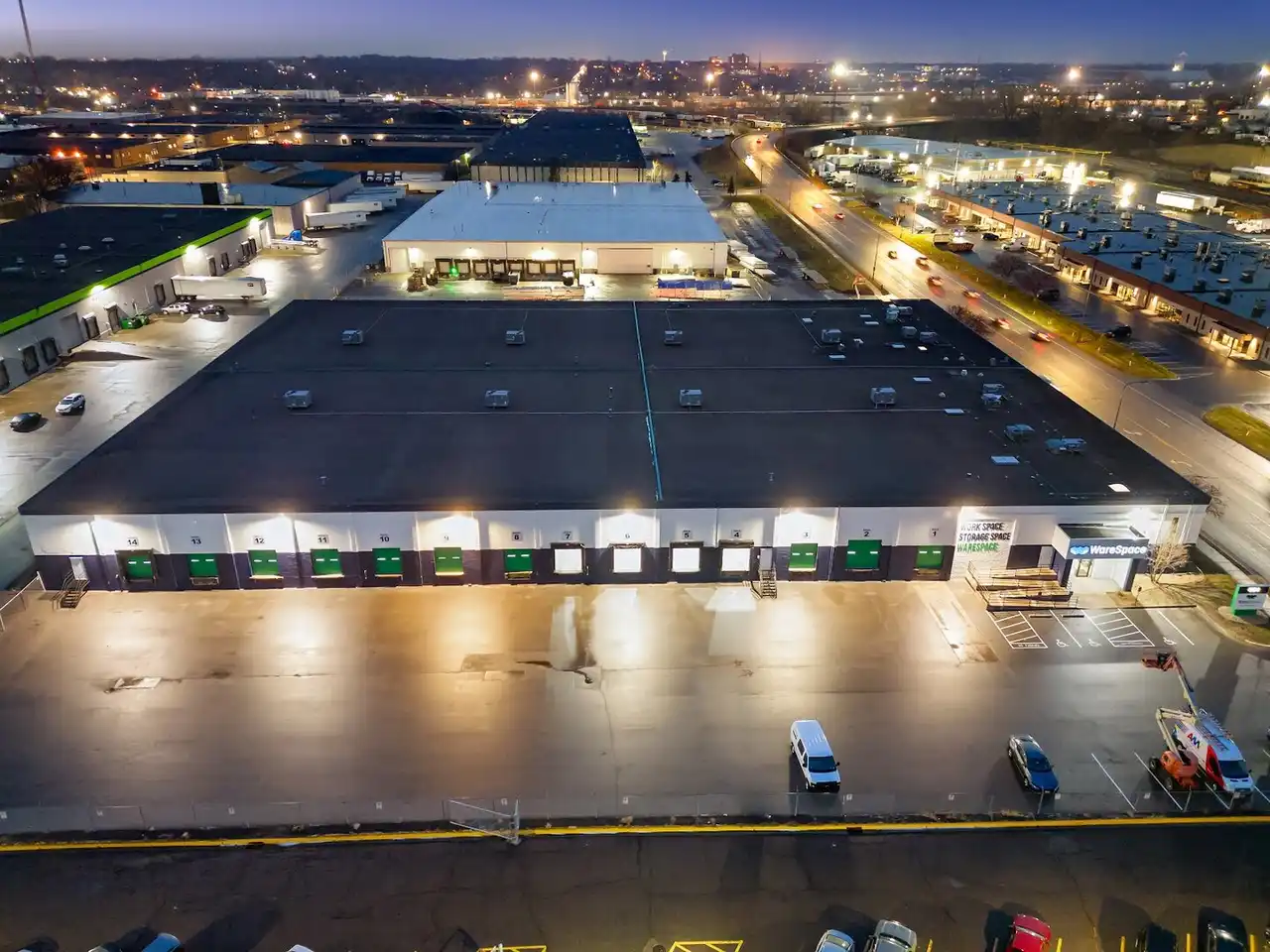
WareSpace gives small businesses flexible warehouse units with loading docks, HVAC, equipment, and 24/7 access starting at $1,000/mo. Scale your space to match demand without locking into a long commercial lease.
Adapting to Market Changes FAQ
Why is adaptability important for small businesses?
Markets shift constantly. Adaptable businesses navigate economic changes, meet evolving customer needs, and outperform slower rivals, turning volatility into opportunity instead of risk.
What is the most important strategy for adapting?
Digital transformation is usually the foundation, since technology and data underpin the other strategies, from customer insight to agile operations.
How can flexible operations help me adapt?
Short-term, scalable space lets you add or shed capacity as demand changes, so your costs flex with the market rather than locking you into commitments that may not fit next quarter.
Stay Agile With Flexible Space
Adaptable businesses keep their operations flexible. WareSpace offers 200 to 2,000 Sq Ft warehouse units nationwide, with all-inclusive pricing starting at $1,000/mo, loading docks, equipment, and short-term leases that scale with demand. Book a tour or get an instant price estimate.


