
You have the idea and the drive. What you need next is direction. Starting a business takes planning, but the path from idea to thriving venture is well-mapped. Here are the essential steps to launch, the requirements to meet, and how to grow at a steady, sustainable pace.
The 5 Steps to Starting a Business
| Step | What to do |
|---|---|
| 1. Develop a business plan | Outline your idea, market, operations, and financial projections |
| 2. Choose a structure | Sole proprietor, partnership, LLC, or corporation, each with tax and liability implications |
| 3. Register the business | File for licenses and permits, get an EIN, make it official |
| 4. Build your team | Hire qualified staff and consider payroll services to classify and pay them correctly |
| 5. Secure financing | Use savings, bank loans, investors, or crowdfunding to fund and sustain the business |
Develop a Business Plan
A solid plan maps how you will finance, market, and operate, and how you will handle risks. It should cover your vision and mission, your product or service, your target market, your operating model, financial projections for three to five years, and how much funding you need and how you will use it. The plan guides your journey and is essential if you seek loans or investors.
Finance Your Business
Unless you can self-fund, you will need capital. Options include:
- Bank loans: require good credit and collateral.
- Crowdfunding: raise from many individual backers via Kickstarter or Indiegogo.
- Angel investors or venture capital: harder to land, but significant funding for equity.
- Personal loans or credit cards: fast, but they put your personal assets at risk.
Make a budget and track income and expenses closely from day one.
Find the Right Location
If you need space, look for an affordable spot that fits your needs and customers. Renting temporary, flexible space is smart early on, since your needs will change. Weigh accessibility, room to grow, and costs like utilities.
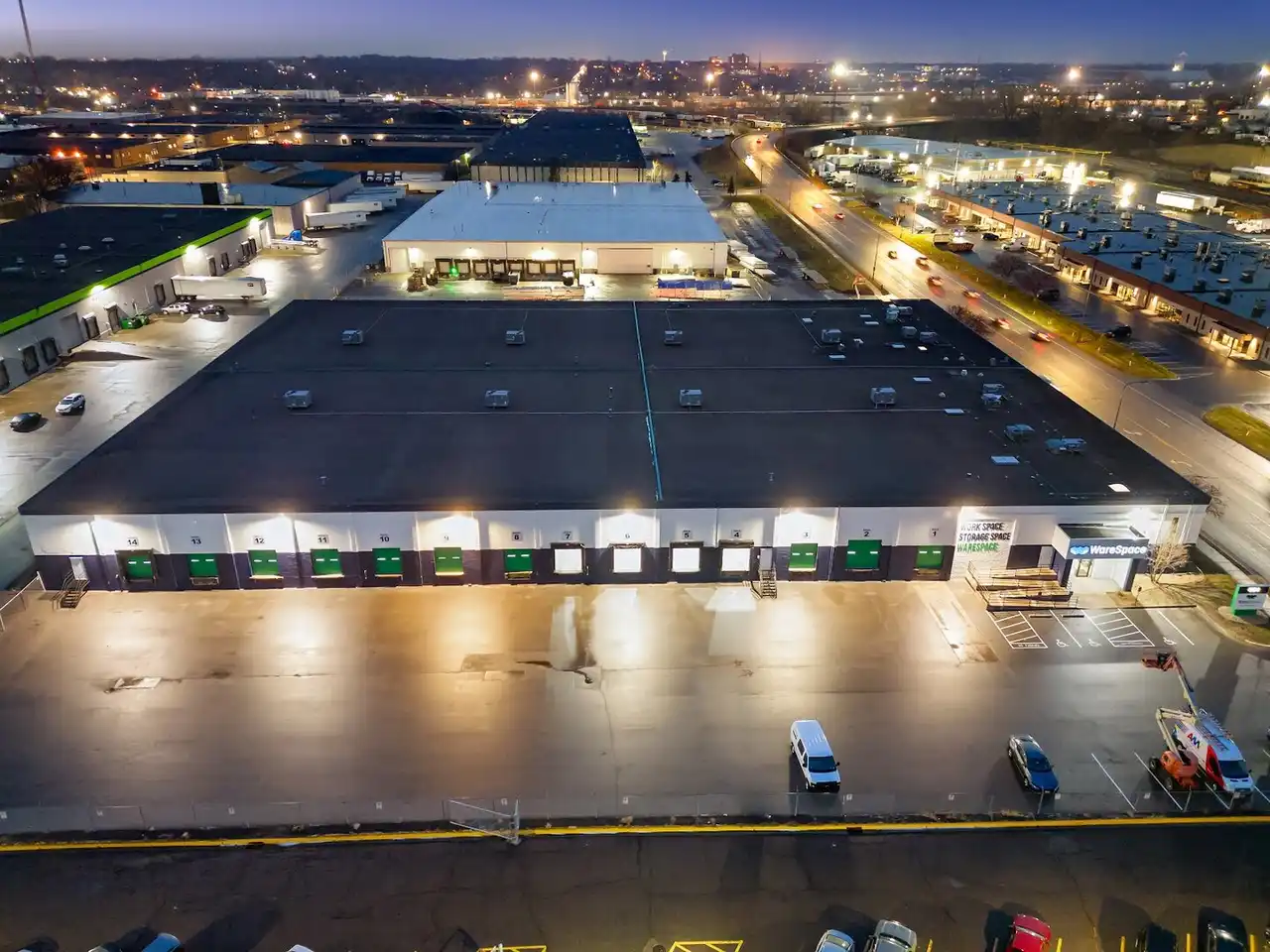
This is where many businesses overpay or get locked in. A flexible small warehouse lets you start at the size you need today and scale up or down, with docks, equipment, and amenities included, instead of committing to a long, expensive lease before you know your real footprint.
Key Advice for Running the Business
Once you launch, the real work begins. Four habits keep growth steady:
- Build a support system. Join networking groups and find mentors. Entrepreneurship is less isolating with peers to lean on.
- Focus on your customers. Respond fast, ask for feedback, and improve. Happy customers drive referrals and repeat business.
- Manage money wisely. Watch cash flow and margins, budget carefully, automate invoicing and accounting, and look for ways to cut costs.
- Keep learning. Stay current with industry trends through books, courses, and conferences, and refine your skills as the market shifts.
Steady Steps to Lasting Success
Success rarely happens overnight. Start small, learn as you go, and grow at a sustainable pace rather than expanding so fast you get overwhelmed. Keep your goals in view, stay flexible, and focus on delivering an excellent product and building real relationships.
Grow into your space, not out of your budget: the biggest early mistake is over-committing on real estate. Flexible, short-term space lets you match your footprint to your actual stage, then scale when the demand is real.
Starting a Business FAQ
How much money do I need to start a business?
It depends on the type. Some businesses start for under a thousand dollars, others need tens of thousands. Focus on essential expenses, minimize costs early, and start small so you can build up as you grow.
Do I need a business plan?
Yes. A good plan helps you outline your idea, define your market, and plan operations and growth. It is also essential if you need funding from a bank or investors.
How do I find my first customers?
Build a professional website, use social media, network at local and industry events, offer introductory promotions, and deliver a great experience so satisfied customers refer others.
Should I buy or rent space when starting out?
Rent, and stay flexible. Your needs will change quickly in the early stages. A short-term, scalable small warehouse lets you adjust your footprint without a long-term commitment.
A Flexible Home Base for Your New Business
When your business needs space to operate, store, or ship, start flexible. WareSpace offers 200 to 2,000 Sq Ft warehouse units nationwide, with all-inclusive pricing starting at $1,000/mo, loading docks, equipment, and short-term leases that scale with you. Book a tour or get an instant price estimate.


