
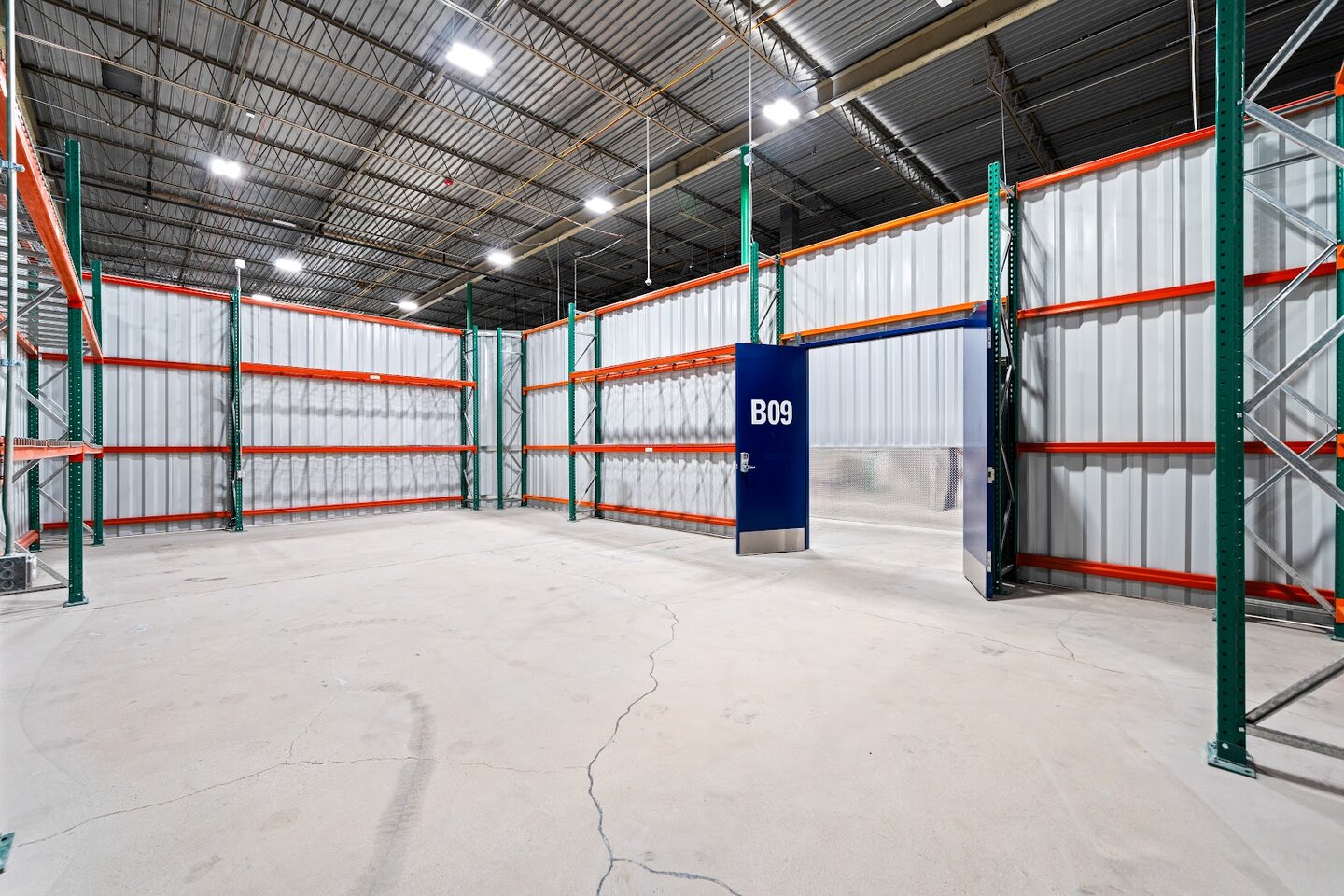
The shift to eCommerce permanently raised how much storage and workspace small businesses need, and traditional warehouses are often too big and too expensive to match. Shared warehousing fixed that gap. It lets multiple businesses split the cost and amenities of a full warehouse, so you get the right amount of space without overpaying. Here is how it works and how to use it well.
What Is Shared Warehousing?
Shared warehouse space lets multiple businesses share the cost and amenities of a single warehouse building. Because tenants spread the total cost across everyone using it, rates are far more affordable for a small business. These facilities are sometimes called co-warehouses or public warehouses.
For a small business, it is a way to expand storage and operations without taking on the cost of a dedicated facility.
Shared vs. Dedicated Warehouse
A dedicated warehouse is run by one company that covers every cost of the building. Large operators choose them because they need the volume and can pay for it. For most small businesses, a shared space wins on three fronts.
| Shared warehouse | Dedicated warehouse | |
|---|---|---|
| Space | Pick how much you need | Pay for the whole building |
| Cost | Overhead split across tenants | All operating costs on you |
| Lease | Short-term, flexible | Often multi-year |
| Amenities | Bundled into rent | You add and pay for each |
Space
The biggest benefit of shared space is choosing how much or how little you need. With a dedicated warehouse you pay for every square foot even when it sits empty. Providers like WareSpace help you match the unit to your real volume, so nothing goes to waste.
Cost
Dedicated warehouses carry higher rent plus utilities, security, and on-site staff. Shared spaces distribute those operating costs across all tenants and bundle them into one rate, which is what makes them workable for smaller budgets.
Rental time
Dedicated leases can lock you in for years. Shared warehouse agreements are short-term, so you can adjust as the business changes.
How to Get the Most From Shared Warehouse Space
Use the loading docks
A loading dock lets you work with larger carriers and move freight from a single pallet to a full truckload. Sending and receiving in bulk lowers your shipping cost and makes it easier to expand your product line.
Spread inventory closer to customers
Long delivery times cost sales. Holding inventory in small warehouse spaces in more than one market puts product closer to buyers, cuts transit time, and reduces cart abandonment.
Tap the shared office benefits
Many shared facilities include conference rooms, lounges, and kitchens, so you have a real place to meet clients and work outside your home. You also build a network with the other business owners in the building.
What to look for: not every provider includes the same amenities. Prioritize loading docks and HVAC first, then racking, secure access, Wi-Fi, and package receiving, and confirm they are bundled into rent rather than billed as add-ons.
Room to grow, shared cost
A shared warehouse sized to your business
WareSpace gives small businesses a private, secure unit inside a shared facility, with loading docks, HVAC, racking, Wi-Fi, and 24/7 access starting at $1,000/mo on a short-term lease.
Shared Warehouse Space FAQ
What is shared warehouse space?
It is a warehouse used by multiple businesses that split the cost and amenities. Each tenant gets a private, secure unit sized to their needs while sharing overhead like security, utilities, and equipment.
Is shared warehousing cheaper than a dedicated warehouse?
Usually yes. Because operating costs are spread across all tenants and bundled into one rate, a small business pays far less than it would to run a dedicated facility, and avoids paying for unused space.
What amenities should a shared warehouse include?
Look for loading docks and HVAC first, then industrial racking, 24/7 secure access, Wi-Fi, package receiving, and shared office space, all included in the monthly rate.
Is Shared Warehouse Space Right for You?
If you need warehouse capability without the cost of a dedicated building, shared space is likely the answer. WareSpace offers flexible 200 to 2,000 Sq Ft units nationwide, all-inclusive starting at $1,000/mo, with loading docks, HVAC, racking, and short-term leases. Compare it with a dedicated industrial warehouse, weigh the pros and cons, or use our provider evaluation checklist, then book a tour.


