
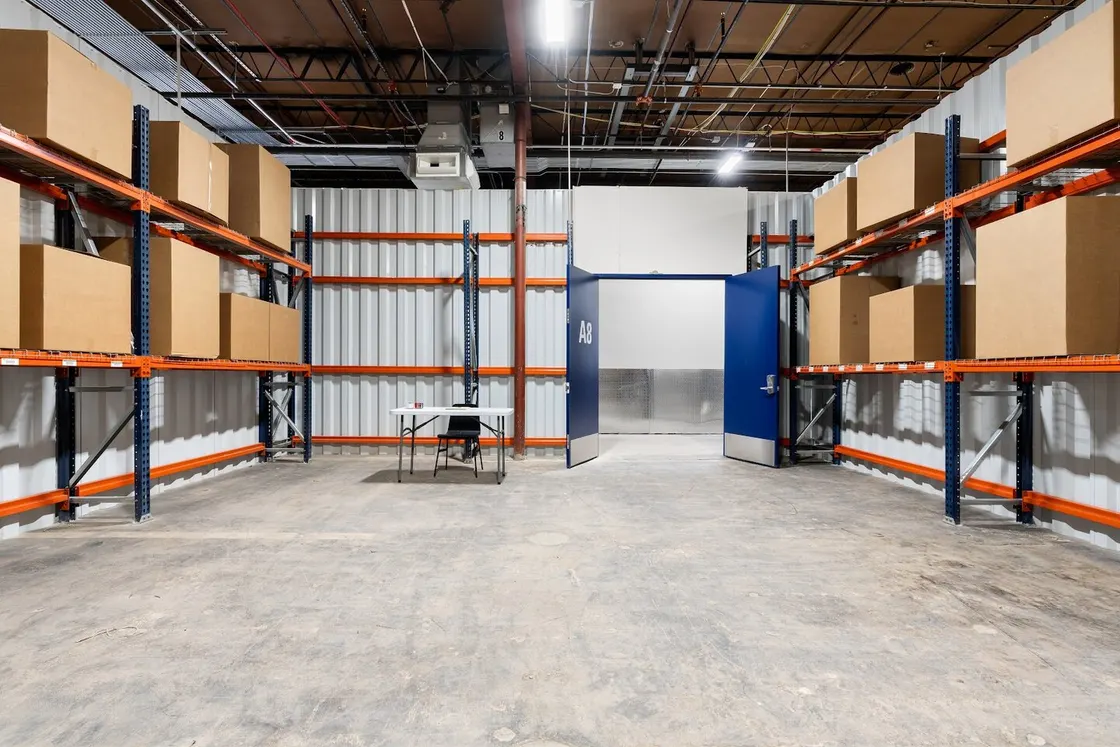
Climate-controlled warehouse space in Miami is not only about keeping people comfortable. Heat and humidity affect packaging, labels, electronics, textiles, paper goods, cosmetics, adhesives, tools, and metal parts. A stable environment can reduce damaged inventory and make the workspace usable throughout the year.
Climate Control Is Not Cold Storage
Standard warehouse HVAC moderates temperature and humidity for normal business operations. It is not refrigeration, frozen storage, or a validated pharmaceutical environment.
If your products require a narrow temperature range, continuous monitoring, food-grade handling, or regulatory validation, confirm those requirements with a specialized facility. Do not assume that the phrase “climate controlled” covers every product.
Inventory That Benefits From HVAC
Electronics and electrical parts
Moisture can corrode contacts and damage packaging. Condensation becomes a risk when products move between hot loading areas and cooled interiors.
Packaging and paper goods
Cardboard, labels, paper inserts, and printed materials can warp or weaken in uncontrolled humidity. That creates packing delays and a poor customer experience.
Apparel and textiles
Humidity can create odors, mildew, and damaged packaging, especially when inventory sits for long periods.
Cosmetics and consumer products
Heat can affect texture, seals, labels, and shelf stability. Confirm manufacturer storage guidance before choosing a space.
Adhesives, coatings, and contractor materials
Sealants, tapes, and other materials can lose performance when stored outside recommended conditions. Hazardous or flammable materials remain prohibited even in an HVAC building.
Tools and metal components
Humidity can accelerate corrosion on tools, fasteners, and parts. Organized shelving plus a stable environment protects the equipment your business depends on.
Questions to Ask Before Leasing
- Is HVAC provided throughout the warehouse area or only in offices?
- Does it operate outside standard business hours?
- What temperature range should tenants expect?
- Is humidity actively controlled or only moderated by cooling?
- How long are loading doors normally open during deliveries?
- Is temperature monitoring available?
- What happens during a power interruption?
- Are your products permitted under the building’s use policy?
Plan the Loading Process
Even a climate-controlled building can expose inventory during receiving. Stage deliveries so products move inside quickly. Keep sensitive goods away from exterior doors, direct sunlight, and areas where temperature changes rapidly.
Use shelving to keep cartons off the floor and preserve airflow. Leave clear aisles so the team can receive, inspect, and store goods without blocking the loading path.
Factor Climate Control Into Total Cost
A low base rent can become expensive when a tenant must add portable cooling, pay separate utilities, install insulation, or replace damaged products. Compare the full operating cost and the risk to inventory.
WareSpace’s established all-inclusive model includes year-round HVAC, utilities, WiFi, loading access, racking, and shared amenities, with a Monthly License Fee starting at $1,000/mo. Confirm final Medley building details before leasing.
Miami Warehouse Climate Checklist
- Product storage requirements
- HVAC coverage and hours
- Humidity expectations
- Loading-door exposure
- Power and monitoring
- Insurance requirements
- Hurricane and continuity planning
- Permitted use
- Total operating cost
Final building systems must be confirmed before leasing. Compare the planned WareSpace Medley and WareSpace Miami Gardens locations, review WareSpace amenities, and use the Q2 2026 Miami-Dade industrial market report for third-party market context.


