
Minnesota is Medical Alley, home to Medtronic, Boston Scientific, Abbott, 3M, and 750+ health technology companies employing over 500,000 people. It’s the #1 health technology cluster in the world, with four times the national concentration of medical device manufacturing.
If you’re running a small business supporting this ecosystem, whether a component supplier, contract assembler, specialized service provider, or quality testing operation, you need warehouse space that meets the industry’s standards.
What Medical Device Operations Need in Warehouse Space
Climate Control Is Non-Negotiable
Medical device components and materials have specific storage requirements. Temperature fluctuations affect material properties and tolerances, calibration of precision equipment, adhesive and coating performance, packaging integrity, and regulatory compliance documentation.
Most medical device operations need consistent 65 to 75°F temperatures and 30 to 50% humidity. Minnesota’s extreme weather makes climate control essential. FDA regulations (21 CFR Part 820) require documented environmental controls for device manufacturing and storage. Even if you’re a supplier rather than a finished device manufacturer, your customers may require evidence of proper storage conditions. Our Twin Cities climate control guide covers what that takes.
Clean, Organized Environment
Medical device customers audit their suppliers. They want to see a clean, well-organized workspace, proper inventory management systems, a professional environment that reflects quality commitment, and dedicated areas for different functions. A cluttered garage doesn’t pass muster. Professional warehouse space demonstrates the operational maturity your customers expect.
Loading and Receiving Infrastructure
Medical device components require careful handling. You need loading dock or drive-in access for material deliveries, space to inspect incoming materials, a staging area for outgoing shipments, and protection from the weather during loading and unloading.
Security and Access Control
Medical device inventory often has significant value. Security features should include 24/7 access with individual codes or key cards, security cameras covering entry points, individual unit locks, and well-lit facilities.
Minneapolis-St. Paul Locations for Medical Device and Manufacturing
Eden Prairie / Golden Triangle
Best for medical device operations, precision manufacturing, and customer-facing businesses. The Golden Triangle has the highest concentration of medical device and technology companies in the Twin Cities, located along I-494 with access to Highway 212 and Highway 169. If your customers include major Medical Alley companies, the Eden Prairie location demonstrates you’re part of the ecosystem. WareSpace Eden Prairie is at 7500 Golden Triangle Dr, in the heart of the medical device corridor.
St. Paul Midway
Best for central metro access and cost-conscious operations. St. Paul’s Midway offers central positioning equidistant from both downtowns, with strong highway access via I-94 and Highway 280. WareSpace St. Paul is at 801 Transfer Road.
What It Costs to Rent Warehouse Space for Medical Operations
Medical device and manufacturing operations typically need 500 to 1,500 SF.
A traditional 1,000 SF lease in Eden Prairie: base rent $10 to $12/SF is $833 to $1,000/mo, plus NNN and CAM at $375 to $417/mo, plus utilities $175 to $350/mo, plus $3,000 to $8,000 upfront for equipment, for a monthly total of $1,383 to $1,767 before setup.
Co-warehousing at WareSpace, a 900 to 1,400 sq ft unit: from $1,900/mo all-inclusive, equipment availability confirmed by building, with no upfront equipment costs. For the full breakdown, see our Twin Cities warehouse cost guide.
Medical Device Warehouse FAQs in Minnesota
Do I need FDA registration for my medical device warehouse in Minnesota? If you’re manufacturing or processing medical devices, you likely need FDA establishment registration. If you’re purely warehousing and distributing, requirements differ. Consult with a regulatory specialist.
What temperature documentation do medical device customers require in Minnesota? Many require suppliers to document storage temperatures, ranging from general statements about climate-controlled facilities to continuous temperature monitoring with data logs.
How much space do I need for a medical device supplier operation in Minnesota? A component supplier with moderate inventory needs 500 to 1,000 SF, a contract assembly operation 800 to 1,500 SF, and a distributor with significant inventory 1,000 to 2,000+ SF.
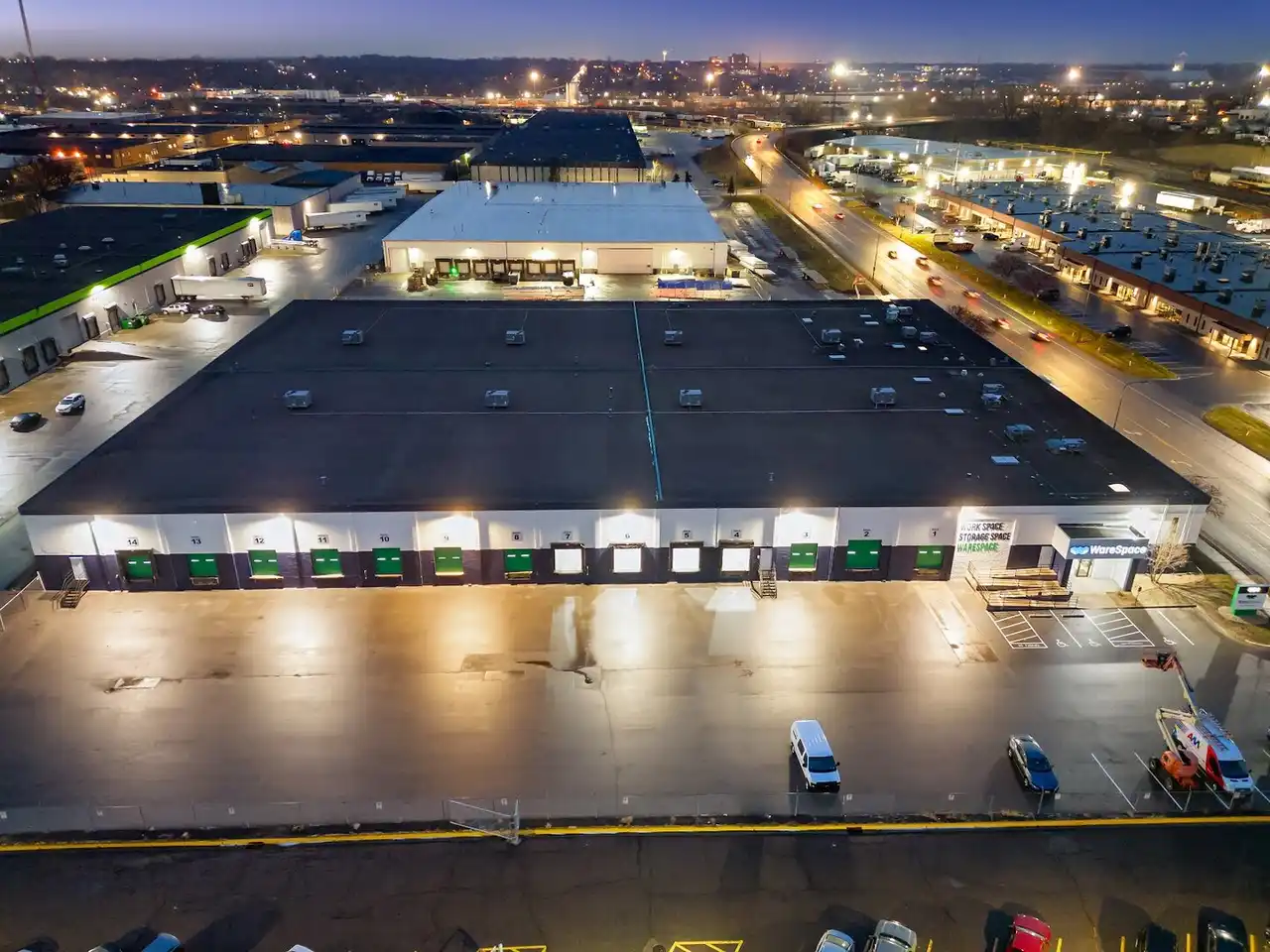
WareSpace Minneapolis-St. Paul offers climate-controlled warehouse space from 200 to 2,000 SF at Eden Prairie (heart of Medical Alley) and St. Paul Midway, with a professional environment, proper infrastructure, and flexible terms starting at $1,000/mo. Book a tour or get an instant quote.


